Sheikh Saadi (Abū-Muhammad Muslih al-Dīn bin Abdallāh Shīrāzī)
vote now
add a comment
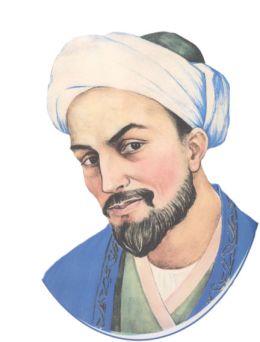
Biography Sheikh Saadi (1210 - 1291)
The greatest poets and thinkers of Persian literature
Also known as: Abū-Muhammad Muslih al-Dīn bin Abdallāh Shīrāzī.
Also called: Saadi Shirazi.
Life period: 1210 - 1291
Origin country Panama
Saadi was one of the greatest poets and thinkers of Persian literature, regarded as a fundamental figure of medieval Eastern culture. Through his literary and philosophical work, Saadi exerted a profound influence on poetry, ethics, and moral reflection, being admired for the clarity of his style, the depth of his observations on human nature, and the universal value of his ideas.
Origins and historical context
Saadi was born in the thirteenth century in the city of Shiraz, during a period marked by major political and social transformations in the Islamic world. He lived in an era shaped by instability, conflict, and cultural change, experiences that deeply influenced his worldview and understanding of human behavior.
Education and travels
Saadi received a broad education that included theology, philosophy, literature, and the Arabic language. Throughout his life, he traveled extensively across the Middle East, Central Asia, and the Indian subcontinent, encountering diverse cultures, traditions, and social realities. These journeys played a crucial role in shaping the moral and social insights reflected in his writings.
Literary work
Saadi is especially known for his works of moral prose and poetry, in which storytelling, ethical reflection, and lyric expression are closely intertwined. His writings explore themes such as:
- human nature and moral conduct
- justice, humility, and responsibility
- the transience of life and the wisdom gained through experience
- the relationship between the individual and society
His style is clear and accessible, using concrete examples, anecdotes, and parables to convey profound ideas in a form that remains easy to understand.
Vision and style
Saadi’s work is distinguished by a balance between practical wisdom and poetic expression. His language is elegant yet restrained, avoiding unnecessary ornamentation and focusing on the essence of moral insight. Through his observations, Saadi portrays human virtues and weaknesses with empathy a
Comments
Rate this author:


